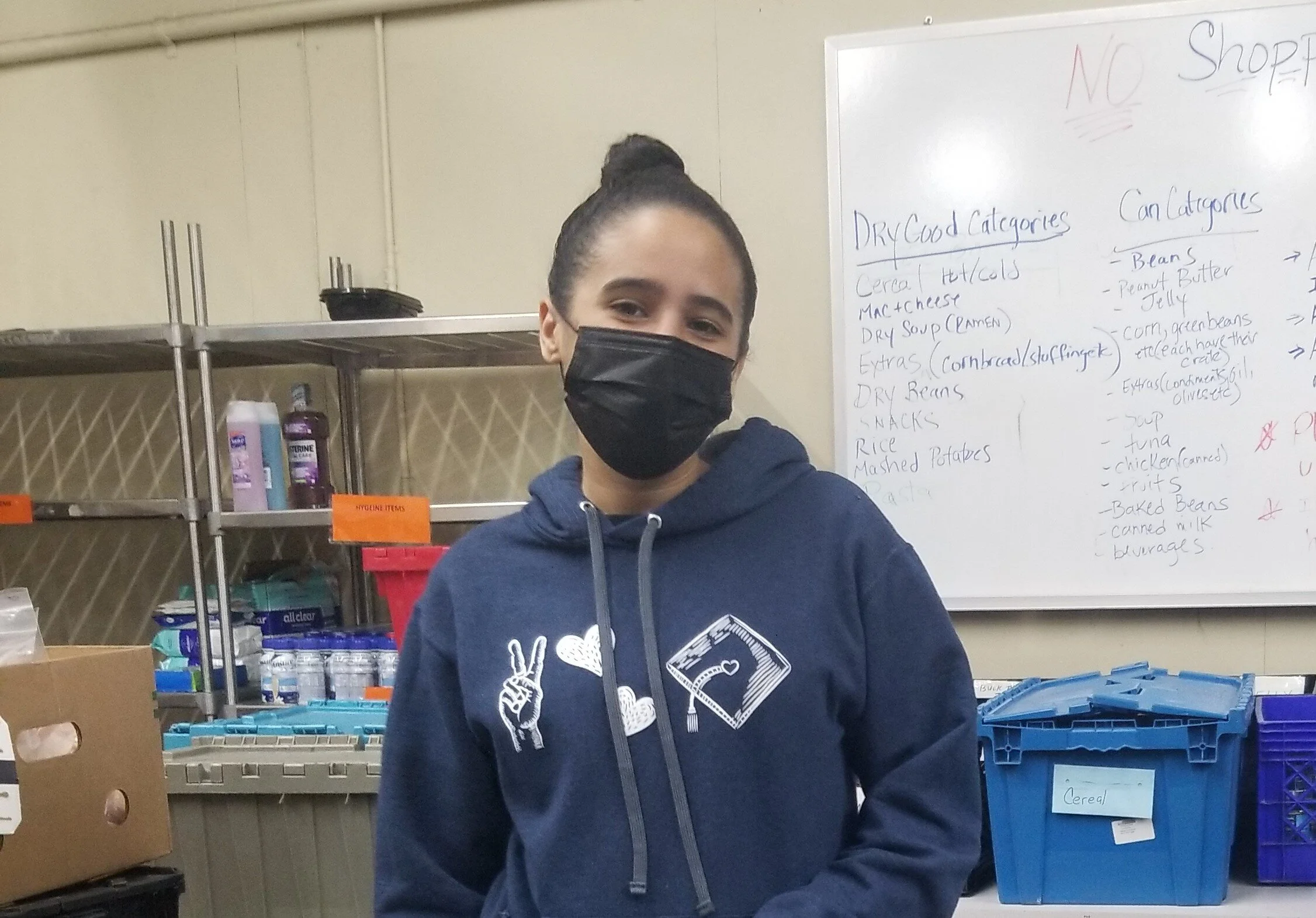
Post by Angely Francisco
Expanding my understanding about Adverse Childhood Experiences as an intern at CUMAC has been a ride full of surprise, wonder, excitement, and even frustration. Before coming to CUMAC, I had learned about ACEs through prior research, but at CUMAC I have been able to dig deeper. Through my experiences at CUMAC, I have seen the effects of ACEs on the community of Paterson.
Many of the staff members had the opportunity to attend a two-day ACEs training where they began the process to become ACEs trainers. As ACEs trainers, they will be able to give presentations to inform the public about Adverse Childhood Experiences. Through weekly meetings, our staff continue to improve their presentation skills. Every Tuesday, we meet for an hour to go in-depth about ACEs. We have lively discussions and practice presenting in groups. The ACE meetings have been one of the best parts of my time at CUMAC because we all get together to talk about important topics that affect our community while also coming up with solutions.
Learning about ACEs, especially at such a young age, is empowering. Now that I know this information, I can’t just ignore it and all of the pain that it causes, especially in Paterson. I am able to take action in my community to alleviate the effects of ACEs by using a trauma-informed lens to make sure I’m helping instead of adding to the problem. At the same time, learning about ACEs can be overwhelming. When I learn about the trauma and pain that is in our world, I find it’s easy to doubt if I actually have the power to create change. Overall, I’ve come to the conclusion that we must be aware of the suffering to dismantle the systems in place that are not working. Bringing awareness to the issue is a step in the right direction.
The reason I love interning at CUMAC is because they are not placing a band-aid on the issue; they are proactive. Everyone that works here is dedicated to alleviating ACEs in the community, bringing further awareness to these issues, and helping people cultivate resilience as we address the root cause of poverty.
“The paradox of trauma is that it has both the power to destroy and the power to transform and resurrect” - Peter A. Levine
Written by Angely Francisco